 Starting this Monday 19th, students from Katikati College (Bay of Plenty) and Papanui College (Christchurch) will be supporting their local writers by reading, reviewing, and then passing on books, from person to person until they reach the other school by the end of Term Three.
Their aim is to get their book read and reviewed by the most New Zealanders. Find out more by clicking this link—but the featured books are:
- Aroha by Anaru Bickford
- Battle of the Birds by the wonderful Lee Murray (one of the organsiers of this event.)
- My Story: Below the Mountains by Jean Bennett
- Brave Bess & the ANZAC Horses by Susan Brocker
- The Bridge by Jane Higgins
- Buddy by VM Jones
- Come Yesterday by Sue Emms
- Dead Dan’s Dee by Phyllis Johnston
- The Ghost Tree & Other Eerie Tales by Anthony Holcroft
- The Loblolly Boy by James Norcliffe
- Out of Tune by Joanna Orwin
- Parrot Parfait by Sue Emms
- Sacrifice by Joanna Orwin
- The Peco Incident by Des Hunt
- Sheep on the Fourth Floor by Leonie Thorpe
- Chronicles of Tyria by Beulah Pragg
- Sitting on the Fence: The Diary of Martin Daly, Christchurch, 1981 by Bill Nagelkerke
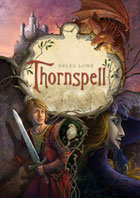
- Thornspell by Helen Lowe
- When the Kehua Calls by Kingi McKinnon
- The Wolf in the Wardrobe by Susan Brocker
- X-Rated by Gun Caundle
As one of the books featured Thornspell has its own feature page here and already has its first review.
—
And for even more great NZ Book Month initiatives — look here. And if you’re on Twitter, check out the #nzbookmonth tag!