
 Just to recap, I have dedicated 2019 as my Year of Romance (#YOR) on the Supernatural Underground, specifically Romance in Fantasy Fiction (#RIFF). Because as I indicated last month, Fantasy is how I roll. 😀
I began in March with JRR Tolkien’s The Lord Of The Rings (aka when romance is missing-in-action), continuing in April with Laini Taylor’s Daughter of Smoke and Bone, which is romance of the kind I categorize as “my enemy, my love.” Last month, I featured Patricia McKillip’s Riddlemaster series, with the additional tagline of “Constancy Amid Tumult.”
On 1 June, I featured Guy Gavriel Kay’s Under Heaven — in particular Li-Mei & Meshag’s tale with the subsidiary tagline ‘When Your Ship Doesn’t Sail’.
 Also known as: When The Stars Don’t Align, aka It Could Never Be – but to find out more, rock on over to Supernatural Underground and check out the post in full: 😉
Guy Gavriel Kay’s Under Heaven: Li-Mei & Meshag’s Tale or ‘When Your Ship Doesn’t Sail’
Enjoy!


 Some years ago when I lived in Sweden, I was told that in the main language of neighbouring Finland (i.e. Finnish, as opposed to Swedish, which is also an official language there) there are only two pronouns: one personal, denoting ‘he/she’ for people; and one impersonal, denoting ‘it’ for inanimate objects.


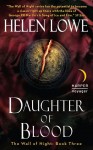



 A short while ago, I reported very favourably on
  As you may recall from my earlier post on Search Image, I really like the character of Esen and this novella reintroduces her character for readers while establishing Evan as a major player in the forthcoming series.
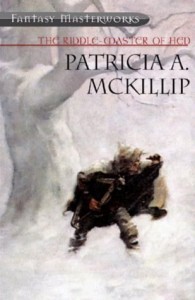 On Thursday, I linked to my current
  The other posts in the Gorgeous Words mini-series are:


 In March, I kicked of my Year of Romance (#YOR) in Fantasy Fiction (#RIFF)