
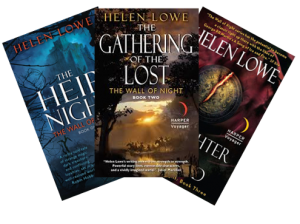
 Recently a The Wall Of Night series reader asked me – via Twitter – for a “cheeky” sneak preview of WALL #4 (working title: The Chaos Gate.)
Naturally, I replied that sneak previews were risky business when a manuscript (ms) is not yet done, not because of the risk of spoilers, although that’s always a consideration, but chiefly because until it’s done, anything in the ms is up for grabs and any sneak previews could be gone by the next day. #GoneByLunchtime 😉
Nonetheless, in the spirit of having a bit of fun, I thought I’d see if I could find something I thought was likely to stay in the book, by and large, and also was not a spoiler. To help me narrow the search, I borrowed from #bookqw aka Book Quote Wednesday’s word for that day, which was “present.”
For those who don’t know, #bookqw is a Twitter thread in which authors feature quotes from their books, published or unpublished, every Wednesday. Worth a look if you’re into books, quotes, and maybe have a favourite author who is a #bookqw aficionado. So far I am a one-time visitor, but you never know… 😉
To get fully into the spirit of things today, I thought I’d feature a quote for the word “present” for all the WALL books – and by way of a bonus, from Thornspell as well. Enjoy!
A Present Of The Word “Present”
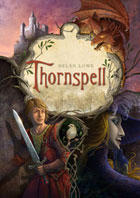 Thornspell:
Sigismund joined them whenever he could, and sometimes Balisan listened as well, although he came and went like a cat, and stood so far back in the shadows that most of those present didn’t realise he was there. Sigismund always knew, although he was never quite sure why. Perhaps it was another of those little shifts in the currents of the air, or perhaps it was simply the amount of time they spent together, but his awareness of the Master-at-Arms had become like a sixth sense. He noticed too, that the horses would always stir when Balisan arrived, but otherwise there was only the shift and gleam of his eyes to betray his presence – for those who knew where to look.
~ from Chapter 4, Lessons
USA
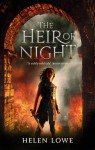
UK/AU/NZ
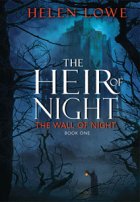
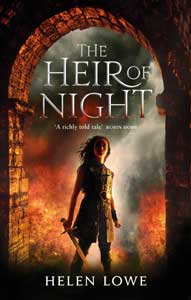
The Heir Of Night:
Kalan jumped violently and twisted round, staring up into the masked face. “You!” he exclaimed. “What are you doing here?”
“How could I not be here,” the Huntmaster inquired, “when you yourself observed that both I and the crow should be present? This is our place.”
~ from Chapter 30, The Shield Ring

USA

UK/AU/NZ
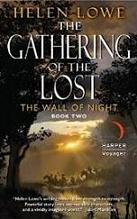
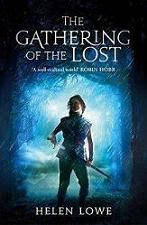
The Gathering Of The Lost
… Malian kept thinking about the cave with its crystal torches. Time after time, she traversed the rows of sleeping warriors and wondered what it all meant: who were the sleepers and why had her seeking taken her there—and where exactly was there?
I know I went deep within the Gate of Dreams, she reflected, but are the sleepers of the present, the future, or the past? And why is my name a riddle to the power that guards them?
~ from the Prologue
USA
UK/AU/NZ
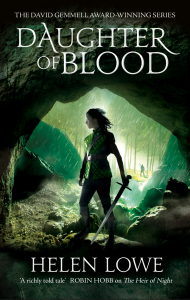
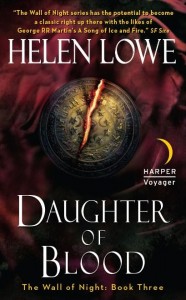
Daughter Of Blood:
Khar had removed his helmet, so Myr could see his face as he gazed up at Blood’s Earl and ruling kin, all frowning down on him. Sweat had darkened his hair and still gleamed on his skin, although his breathing was steady. Myr thought the gaze he directed toward Asantir was as searching as one of the Night Commander’s own, but when his eyes found hers he inclined his head. How can he be so composed? she wondered, then gasped as he drew the longer of his two swords and all the honor guards present stepped forward as one.
~ from Chapter 33, The Custom Of Blood
The Wall Of Night #4 (Working Title – The Chaos Gate):
Kharalthor swatted that observation aside. “What I ask myself,” he said, “is who the myth of the Swarm chiefly benefits? Who stands to gain most if we all scurry to muster now…”

Art credit: Peter Fitzpatrick



 Last month I kicked of the Year of Romance (#YOR) in Fantasy Fiction (#RIFF)
  To find out why, click on through and check out:
 On 10 March, number eight wire, the fourth New Zealand Haiku Anthology was launched in Tauranga. (For those who’re not NZ-ers, that’s in the upper half of the North Island, on the east coast.) You can see photos and read about the launch