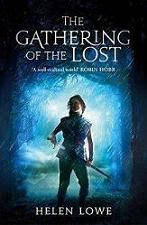

USA
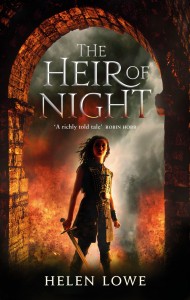
The About The Characters post series focuses on the minor characters in The Wall Of Night series, in large part because:
“I think it’s the presence of the smaller characters that “makes” a story, creating texture around the main points of view.”
~ from my Legend Award Finalist’s Interview, 2013
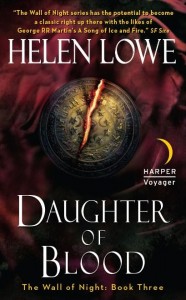
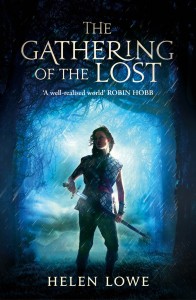
Initially, the series focused exclusively on characters from The Heir of Night, but now I’m continuing on with minor characters from both The Gathering Of The Lost and Daughter of Blood — in alphabetical order, by name, of course!
Currently, we’re in “L”, a most excellent letter in the Haarth world. 😀
—

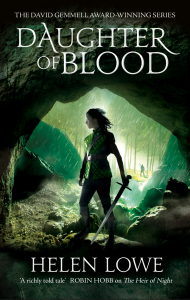
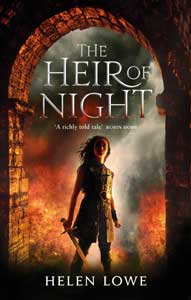
UK/AU/NZ
Liannar: second-in-command of the Patrol, in the Haarth realm known as the River.
“I’d prefer to assess the situation on the Wall in person, in any case.” Raven was matter-of-fact. “Liannar will continue to command on the River in my absence.”
~ from © Daughter Of Blood: The Wall of Night Book Three, Chapter 38 — Dawn Wind


Yep, it’s definitely that time: 1 August rocked around yesterday and that means I posted Instalment 8 — yes, eight! in the 


Recently, I
—


Previous “Reading Older Books” Posts:


Daniel Abraham is possibly better known now as one half of James S.A. Corey (the other half of the duo is Ty Franck), writer of The Expanse science fiction series that generated 
About the Author:
Currently I’m doing a post series where I report back on books on the “older to old” spectrum that I’ve read recently. Note: There are no really old (pre 19th century) or really, really old (think Xenophon’s Anabasis) books in the mix, so essentially they’re all “modern” works.
Anyway, not to get sidetracked into categorizing books by age, the books I’ve been reading lately are all published from 1945 onward. So not that old in terms of the history of literature but certainly not on the new or recent publications shelves of either book shops or libraries.
Reason the First: There are some great reads out there that may not have made the “classics” list but are still enjoyable reads, so I would be depriving myself from experiencing their goodness if I restricted myself to reading and posting on new books only.
Reason the Second: As with all the arts (and pretty much everything people do, for that matter) writing has its seasons and its fashions. Reading older books is a great way of gaining perspective on the ways writers have rocked readers’ worlds in the past, as well as what maybe didn’t work so well, or might not in today’s world. All of which is grist for the writer’s mill. 😉
Reason the Fourth: While non fiction may offer more rigorous insights in terms of Reason the Third, sometimes fiction can be equally if not more fascinating. Last year, for example, I
Reading it, several social history aspects really leapt out at me. Firstly, absolutely everybody smokes as a matter of course. Also, it’s illegal to fish on a Sunday, which I believe many contemporary readers would struggle to get their heads around. And it was clearly not at all respectable to be a paperback writer, although the said individual in this case was a surprisingly reasonable person given his socially below-par occupation… 😀 (Note: I should clarify, this is the narrator’s summation of his occupation and character, not mine.)
Anyway, these are just a few of the reasons I read older books, other than just to enjoy a greater variety of stories and storytelling techniques.