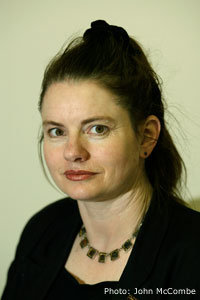

Courtney Schafer
On Monday, March 1, I posted the third in this year’s Magic Systems in Fantasy series on the Supernatural Underground — this month featuring friend and fellow author, Courtney Schafer discussing the magic in her Shattered Sigil series.
As I say in the introduction:
“When I first read friend and fellow author, Courtney Schafer’s debut Shattered Sigil series I was really impressed by … the depth and intricacy of the magic (without it seeming in any way convoluted) and the way in which Courtney’s magic systems bound the world, the narrative, and the characters into a cohesive whole. “

Shattered Sigil #1
To further encourage you all to head on over and take a read (if you have not done so already 😉 ) here is a taster of Courtney’s insights into the series’ magic systems:
“I do love magic in fantasy, so it’s always fun to geek out about magic systems and how they influence and enrich a story. I know some writers start by working out the magic first and deciding on characters and plot to suit the world they’ve built, but I always start with the characters and build the magic as I figure out what makes my protagonists tick and what problems I want them to face in the story.”

Shattered Sigil #2
But as with the previous two interviews, there is a great deal more, all of it well worth your time, both in terms of the creative process and another unique take on magic in fantasy fiction.
An Interview With Courtney Schafer: Talking Magic In The “Shattered Sigil” Series

Shattered Sigil #3
—
 The Magic Systems In Fantasy Series To Date:
 T Frohock & The Magic of A Song With Teeth (LOS NEFILIM #3)







 Over the last few weeks I’ve posted about some of my Christmas – New Year viewing and reading. Obviously the holiday’s been over for some time now, but it’s still appropriate to talk about Ursula Le Guin’s The Dispossessed (first published in 1974) in that context, because I picked it up in a secondhand bookshop in Picton, while waiting to cross from the South Island to the North on the Cook Strait ferry.
 In other words, The Dispossessed works at several different narrative levels and in my view represents Ursula Le Guin at the height of her powers, as does her equally famous novel The Left Hand of Darkness. The latter has been one of my favourite books for a long time, but The Dispossessed has now joined it on the favourites’ shelf.


 Later today, the second in my

 Or check out what I had to say about LOS NEFILIM in my Romance in Fantasy series in 2019 (also on the SU):