
Festive goodies
Sadly, the holiday is over now, but it was fun while it lasted. And I have the pics to prove it. Here are a wee few to be going on with. 🙂
Fun With Food
Foodie goodness is a big part of the festive season, from fruitmince pies to turkey with all the trimmings. As it happens, I did make fruitmince pies and a few more festive goodies….

A Southern Hemisphere Christmas meal for midsummer…
But it can be far too hot in the midst of the Southern Hemisphere’s midsummer to spend hours with a hot stove to achieve an ‘all the trimmings’ extravaganza.
So we went for salmon fillets with some salads of awesome—which worked pretty well, overall. Just sayin’ 😉

Lake Heron
Fun With the Great Outdoors
One of the great things about having the Christmas-New Year holiday at midsummer is that it’s a great time to get outdoors.
Despite some rain at times, we still managed to get out and about.
Initially we went to Lake Heron, which is close to the country I explored in my Driving To Edoras post. Grey skies aside, it’s a tranquil spot, even if the mountains were obscured by cloud.
The next day, we did a number of bush walks, in which fern, mountain beech forest, and swift-flowing creeks all featured.


And finally checked out the mighty Rakaia Gorge.


.
If anyone wonders what the Telimbras River in The Wall Of Night series *might* look like, the Rakaia makes a useful starting point.
I guess some of you may be holidaying still, in which case, I hope you’re having a great time.
But do spare a few seconds to commiserate with the rest of us who’re back workin’… 😉


 2. January 29 —
  3. March 5 —

 6. May 28 — Having Fun With Epic Fantasy Tropes #4:


 This is one of my favourite NZ summer holiday poems, which captures both the quintessential Christmas-New Year holiday but also a wonderful nostalgia for the holidays of childhood past, seen through the bitter sweetness of adult recollection. Janine Sowerby is a friend and fellow poet and writer, working across a range of media.
 “There were lights everywhere, marigold windows in the shadowy walls of houses, and golden lanterns hung before the doors, and every light reflected in the river so that it made two. For in those days people still called Christmas Eve the Feast of Lights and set candles in every window and lanterns before their doors…”


 Little Women by Louisa May Alcott
 The Armorer’s House by Rosemary Sutcliff
 Drover’s Road by Joyce West
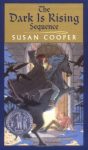 The Dark is Rising by Susan Cooper
 A Christmas Carol by Charles Dickens

 As is my wont on the first of every month, I posted on the