

 Later today, when the calendar turns over to April 1 on US Eastern Standard Time, I’ll be posting an interview with Kristin Cashore on the Supernatural Underground (SU.)
The interview will be the fourth of the Magic Systems In Fantasy series that I’m currently posting in my first of the month blog spot. We’ll be talking the magic of Kristin’s Graceling Realm series as well as her recently published Winterkeep, which is the fourth novel in the series.
As the interview will post on the SU reasonably late today in NZ time, I’ll post again here tomorrow to supply the link — PLUS courtesy of Kristin’s publisher Gollancz, I have a copy of Winterkeep to give away to a New Zealand reader.

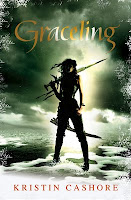
UK cover
Gorgeous innit? And as you’ll see when the SU interview loads, Kristin has wonderful new covers for all her books, from both the Graceling Realm’s US and UK-based publishers.
I’ll supply all the details for the giveaway with tomorrow’s post, but it will follow the usual format of “comment here to go in a random draw, probably to be made around 7-10 days hence.” I am sure many of you will be very familiar with the drill! Don’t comment yet , though — wait for tomorrow’s post. 😉
I hope you’ll enjoy the interview. I am *pretty sure* you will, because Kristin has some great observations to make about magic in her Graceling world.
 Related Interviews from the Backlist:
In the meantime, you might enjoy rereading the interview I did with Kristin in 2012, which coincided with the launch of Bitterblue (Graceling Realm #3):
An Interview With Kristin Cashore—Author of Bitterblue
 Plus, Kristin and I collaborated to bring you this insider conversation between Malian and Bitterblue, in 2013, which featured on Kristin’s blog:


 The Wall Of Night Book #4 (The Chaos Gate) Availability in the UK & Commonwealth
 A few weeks back I shared that







 Over the weekend I went to see the interactive show Van Gogh Alive, which is currently here in Christchurch.


 The Magic Systems In Fantasy Series To Date:
 T Frohock & The Magic of A Song With Teeth (LOS NEFILIM #3)