
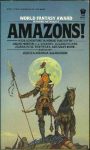
Reading older books
I haven’t forgotten that I promised to report back to you on some of those new-to-me, but otherwise older books that I’ve read recently, or to repost material from the backlist – and those posts are in the pipeline. 🙂

Reaching the chaos gate…
For today, however, although I’m mindful that it’s only two weeks since I let you know that Malian had reached the chaos gate (which provides the working title for WALL #4), I thought you might like to know that this past week I’ve been working on what is probably “the” big series reveal.
Or as fans of the Piggitty-Wiggitty series of children’s books might put it, the “biggitty-biggest” of series reveals. Although to be fair, this is the part of the book and series that is all about reveals and completion, so the “biggitty-biggest” title may yet go to another sequence.
In the meantime, though, it’s always good to share that the story is rocking on – although it’s also a long weekend here, so I’ve downed tools for the greater majority of that time. Interestingly, though, downing the pen and keyboard has also provided the opportunity for reflection in terms of refining some of the narrative action and character interaction. All of which seizes the pause to bubble to the surface.

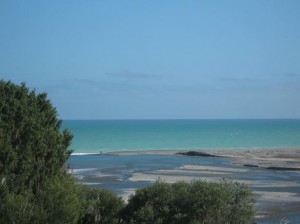
Not quite so much sunshine this long weekend…
Just to make the case for downtime, holidays, and long weekends. 🙂


 I am scheduling this post ahead of time, as we are currently in the middle of a Very Heavy Rainfall Event, with a state of emergency declared in the area where I am and the possibility of both power failure and evacuation on the cards. So I thought I’d get this loaded, no matter what occurs between my now (midday Sunday) and when this goes live at 6.30 am on Monday morning.
 Aside from all of that, Monday 31 is the 11th anniversary of my
  While this is unsurprising, in looking back over the blog I realized that it contains a considerable backlist of material on these key topics, much of which is still of interest.


 For those of you who are not on Twitter but are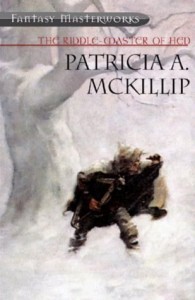


 On
On  Today my theme is the somewhat eclectic array of older titles that have crossed my reading ken of recent times, originating in such diverse quarters as the back of the bookshelf (somewhat cobwebby, but hey, that’s what dusters are for!), the local hospice shop, the library remaindered table*, and the neighbourhood “book fridge.”**
 by George Millar, DSO, MC – the “first book of true war adventure to be published in England and America after the War (1945)”, it’s a firsthand account of the authors’ experience as an operative in Nazi-occupied France. My edition was republished by PAN in 1956 and was not, I gathered, quite so heavily censored.
 The Grandiflora Tree by Shonagh Koea. Published in 1989 by Penguin, this novel is the only one set in New Zealand and explores bereavement and how little we may actually know those to whom we are (ostensibly) closest.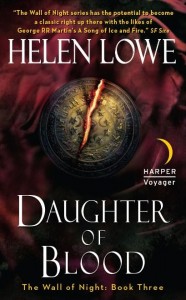

 It’s amazingly evocative and atmospheric writing. It’s also setting up the next action sequence at one level, while simultaneously “lulling” the reader at another. Do I appreciate the author’s craft? Yes, I do. 😉
 And as I’ve mentioned in other posts, when it comes to the second book in particular (Heir of Sea and Fire), and the character of Raederle of An, the Riddlemaster storyline doesn’t stay in that traditional space. In fact it was one of the first epic fantasies I encountered that not only introduced empowered and engaging female characters, but also included a major female point-of-view character in the series.