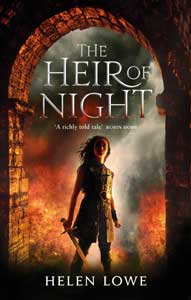

Just by way of a reminder, the Q&A Thursday featured awa’-away back in 2019, when I invited readers to submit questions on Daughter of Blood in particular, and The Wall Of Night series by extension.
Currently I’m reprising the series and today’s refeatured question came from Chris. 😀

USA
Chris: What Would Have Happened If Tirael Hadn’t Come To The Camp’s Aid When He Did? Did Kalan Have Any More Tricks Up His Sleeve?
I think we can probably agree that Kalan and the camp’s defenders had done amazingly well up until that point but that their resources were at a pretty low ebb, a situation that Arcolin, the enemy commander, did his best to exploit. Kalan had also proven himself to very resourceful and I certainly wouldn’t have put it past him to have pulled another rabbit out of the defensive hat. On balance, though, I think we can probably also agree that it was Really Just As Well that Tirael and the Star Knights turned up when they did.

UK/AU/NZ
Previous Thursday Q&A Refeatures:
March 31 — #1 Phoebe’s Question on Book Planning
April 21 — #2 Sam’s Question on Deleted Scenes
April 28 — #3 Sandy’s Question on Characters That Take Charge
May 19 — #4 Lindsay’s Question on Research







 I love this quote, from the closing lines of Stories of the Street, on Leonard Cohen’s debut album, Songs of Leonard Cohen (Colombia Records, 1967.). The balance of the lines is so perfect and encapsulates the ache of our human existence so well.